
"large-scale production"
2000 article(s) found

Countries use coffee by-products to develop drinks
Recently, Belgium has made a material from the pulp of a new variety of white coffee, which has the same ingredients as ordinary coffee, but milky white, easy to digest and absorb, and has a variety of health functions. The creators have not only broadened the utilization of waste pulp, but also used this raw material to make coffee soda, which is quite suitable for athletes and people with indigestion. Not long ago, Japan's New Century Food

What is the flavor and quality of Veracruz coffee in Mexico coffee producing area?
Professional coffee knowledge exchange more coffee bean information please follow the coffee workshop (Wechat official account cafe_style) the story of Mexico's relationship with coffee, which began after 1790. Unlike the large-scale cultivation and production in other producing countries, Mexico has always retained the tradition of small farmers. After the Mexican Revolution in 1910, the agricultural reform protected the small farmers.
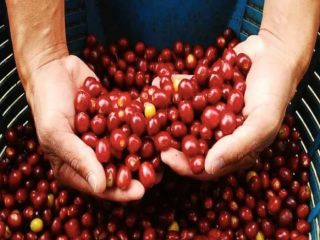
What is the country with the largest coffee production? What are the flavor characteristics of Brazilian coffee beans? What is the main variety of Brazilian coffee?
Brazil is the world's largest coffee producer, coffee is mostly produced in the plains or plateau savanna climate zone, the annual average temperature is about 20℃, excellent climate and most flat geographical conditions can be Brazil large-scale coffee cultivation, and is mechanically harvested coffee fruit, you can imagine, the yield is naturally amazing. Brazilian coffee.

The international history of coffee industry introduces how the bubble of Brazilian coffee economy ended.
For professional baristas, please pay attention to the bubble economy caused by coffee in the coffee workshop (Wechat official account cafe_style) in Brazil at the beginning of the 20th century. Large-scale coffee production in Brazil began in the 19th century due to a price collapse due to mass production of coffee. Coffee is grown in Rio de Janeiro, Minas Gerais, S ã o Paulo and traded everywhere. Brazil became enslaved and cultivated

Mantenin coffee beans with the strongest aroma introduce boutique coffee
Mantenin's leaping acid mixes with the richest aroma, making your relaxed body manning coffee lively in a mild fragrance, and its outstanding taste captivates many suitors. In the 17th century, the Dutch introduced Arabica seedlings to Ceylon (present-day Sri Lanka) and Indonesia. In 1877, a large-scale disaster struck Indonesia
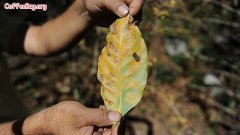
What is the disease of coffee planting that harms coffee leaf rust?
In the past 20 to 25 years, there has been a strong global demand for raw coffee beans. In order to increase production, many coffee farmers in Central America have abandoned the traditional shade planting technique and used sun exposure to grow coffee. Due to the loss of the protective effect of the crown and the reduction of biodiversity, the control of diseases and insect pests can only be more dependent on the use of pesticides and fungicides, which not only destroys the original complex health.

Introduction of boutique coffee culture the latest introduction of Hougu Coffee Company
Hougu Coffee is the first local coffee brand in China. in addition, there are no other large-scale brands in China. Relying on the huge domestic consumer market and development potential, Hougu Coffee has good market development conditions. Hougu Coffee has a profound Chinese cultural heritage, absorbing the cultural traditions of Taoism and Confucianism. The meaning of Hougu comes from the moral Sutra, and the latter represents the king as the queen.

The world's first coffee shop, Flower God Cafe.
Professional coffee knowledge exchange more coffee bean information Please pay attention to Coffee Workshop (Wechat official account cafe_style) in fact, the earliest coffee culture appeared in the Arabian Peninsula, but the earliest large-scale commercial coffee shop appeared in Turkey, but due to incomplete historical materials, there is no way to verify the earliest coffee shop in Turkey. Even so, we can't deny that it is true.

Introduction of Indonesian Mantenin Coffee Bean with fragrant Woody flavour
In the 17th century, the Dutch first introduced Arabica saplings to Ceylon (present-day Sri Lanka) and Indonesia. In 1877, a large-scale disaster hit the Indonesian islands, coffee rust destroyed almost all the coffee trees, people had to give up Arabica, which had been in operation for many years, and introduced the disease-resistant Robusta coffee tree from Africa. And Sue

Hong Kong Xiangji Coffee Group Company Profile Xiangji Coffee How about
Professional coffee knowledge exchange More coffee bean information Please pay attention to Coffee Workshop (Weixin Official Accounts cafe_style) Company profile and philosophy Xiangji Coffee Group is committed to providing professional one-stop catering solutions to meet different catering needs of customers. As a professional baker with extensive experience in Asia, we introduce brands from the United States and

Introduction to the regional treatment method of coffee bean flavor description, grinding scale and variety production in the state of Bahia, Brazil
Introduction to the regional treatment method of coffee bean flavor description, grinding scale and production in Bahia, Brazil. The traditional industries in Bahia include clothing, footwear and brewing. Since the establishment of the petroleum industry in the 1980s, the chemical industry and automobile manufacturing industry have developed one after another, especially the establishment of various industrial parks and the implementation of incentive policies to attract foreign investment, which has attracted a large number of foreign enterprises.

Coffee Flavor description of Ethiopian Coffee Manor Coffee Flavor description of roasting degree Price planting Environment
Ethiopian coffee beans grow in close to the natural environment, after years of planting under the same growth conditions, Ethiopian coffee beans have gradually adapted to the environment here. More than 60% of coffee beans are grown in forests or semi-forests. Large-scale coffee-growing villages account for about 35% of the country's total coffee production. Many of these are used.
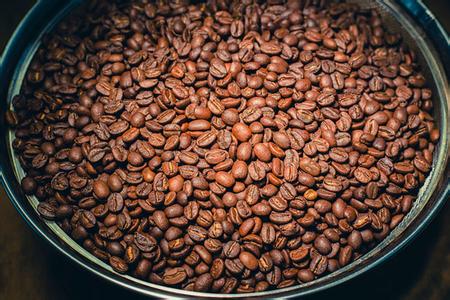
Flavor description of sun-cured coffee beans in Baoshan, Yunnan Province
The flavor of sun-cured coffee beans in Baoshan, Yunnan describes the environmental problems of coffee cultivation in the law-producing areas. Although it can reach the standard of hot areas, it is far away from the equator, the problem of evaporation, and the large-scale coffee cultivation in Yunnan is less than 1100m above sea level. in recent years, the severe drought in Yunnan, as well as the frost period in the producing areas, have made it impossible to guarantee the cultivation of coffee, which directly affected the quality of coffee production. To

Introduction to the flavor and taste characteristics of Ethiopian coffee manor with fragrant and mellow smell
Ethiopian coffee beans grow in close to the natural environment. After years of planting under the same growth conditions, Ethiopian coffee beans have gradually adapted to the environment here. More than 60% of coffee beans are grown in forests or semi-forests. Large-scale coffee-growing villages account for about 35% of the country's total coffee production.

Introduction to the characteristics of Flavor description Grinding degree of Coffee Variety in Ethiopian Coffee Manor
Large-scale coffee-growing villages account for about 35% of the country's total coffee production. These coffee farms, which use a multi-tier coffee planting system, are carefully cared for. Coffee farmers do not use chemical fertilizers, but use fallen leaves and animal and plant debris to increase soil nutrition. In addition to coffee, farmers also frequently grow non-coffee crops. It even accounts for the total amount of coffee in the country.

History of Coffee cultivation in Taiwan how to develop Coffee planting Technology in Taiwan
Professional coffee knowledge exchange more coffee bean information please follow the coffee workshop (Wechat official account cafe_style) A coffee tree bears fruit several times a year. Coffee is the second largest internationally traded commodity in the world, after oil. Coffee is a very important cash crop in many countries, but in Taiwan, you may have heard the name Gukeng Coffee. Trust you

Ethiopian Coffee Manor Flavor description Grinding characteristics introduction to the taste price of varieties in producing areas
Ethiopian coffee beans grow in close to the natural environment, after years of planting under the same growth conditions, Ethiopian coffee beans have gradually adapted to the environment here. More than 60% of coffee beans are grown in forests or semi-forests. Large-scale coffee-growing villages account for about 35% of the country's total coffee production. Many of these are used.

Flavor description of Ethiopian Coffee introduction to planting Environment
Large-scale coffee-growing villages account for about 35% of the country's total coffee production. These coffee farms, which use a multi-tier coffee planting system, are carefully cared for. Coffee farmers do not use chemical fertilizers, but use fallen leaves and animal and plant debris to increase soil nutrition. In addition to coffee, farmers also frequently grow non-coffee crops. It even accounts for the total amount of coffee in the country.

The technological era of playing Coffee-CoffeeSoon Song Coffee
A large-scale coffee exhibition continued to surprise coffee fans in March 2016. the huge exhibition hall held at the Shanghai National Exhibition Center was filled with exhibitors, and one of them, DOTCOM Ancient Point COFFEE, led us into the world of technology playing coffee. DOTCOM COFFEE's booth is simply breathtaking modern design lines full of strong subjects.

Flavor description of Yega Fischer Coffee in Ethiopia introduction to the producing area of manor varieties
Ethiopian coffee beans grow in close to the natural environment. After years of planting under the same growth conditions, Ethiopian coffee beans have gradually adapted to the environment here. More than 60% of coffee beans are grown in forests or semi-forests. Large-scale coffee-growing villages account for about 35% of the country's total coffee production.